PreK and Kindergarten Students Need A Strong Phonemic Awareness Instruction
Is Letter Recognition Important?
Is it really important? Letter names are difficult for our students to learn. It would
just be easier to have them learn the letter sounds so then they could decode a
word. I know this has crossed your mind as you have prepared your lessons. As a
Kindergarten teacher, I wondered about this very thing. There are 52 letters students
need to learn to recognize and discriminate!
Early on in the history of Education, letter recognition has been a part of the foundation of teaching students to read. According to Reading
Rockets, if children know letter names and sound when they begin 1st grade, they are more likely to be successful in learning to read. So PreK and
Kindergarten grades become important for helping children learn to recognize
and discriminate letter names and sounds.
Children and Letter Discrimination
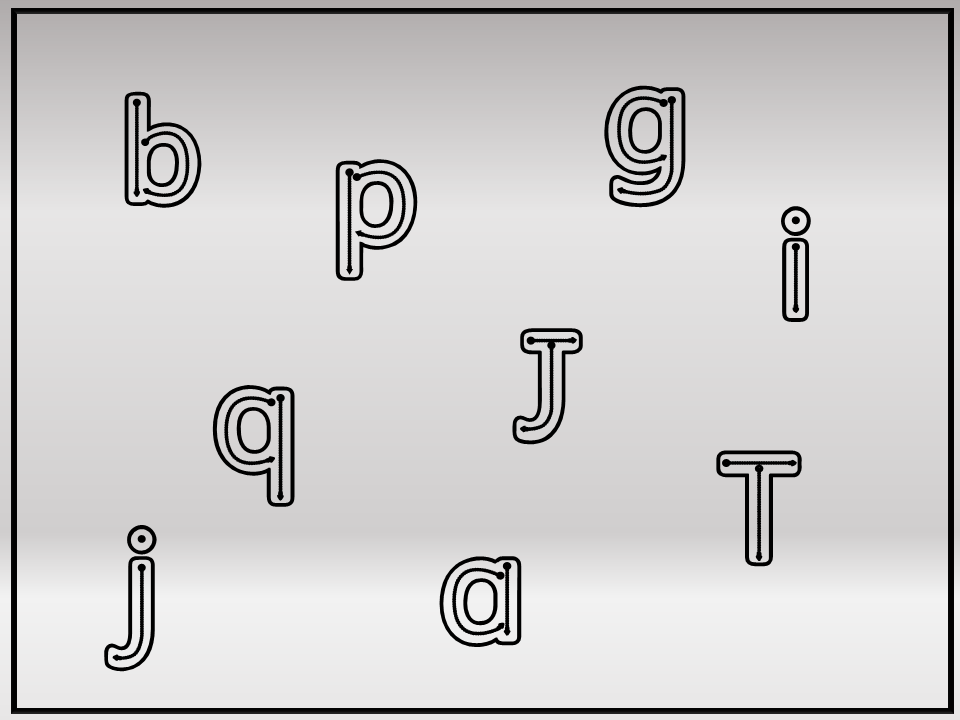 |
| Some letters have similar shapes. |
When the students come to us at the beginning of the school year, they come to us from varied places in the world of letter knowledge. Including, being able to tell the letters apart. It becomes our job to
find different ways to help them grow and learn. We create a Print-Rich Environment in our classrooms, and we plan our lessons so that our students are
exposed to letter names, discriminate one letter from the other, and
learn the sounds.
I have created several teaching resources that I have used with my own students to help them become proficient.
 |
| Amped Up Learning |
 |
| Teachers Pay Teachers |
This packet will help your
students learn how to make the letters of the alphabet and make a connection to
words that begin with each letter sound. The letters they will trace are large
letters. There are picture cues to help them with initial sounds. There are two
pictures on each letter page, one picture is a tracing picture to help the
students strengthen their fine motor skills. View this video to get a better idea of what else is part of this teaching resource.
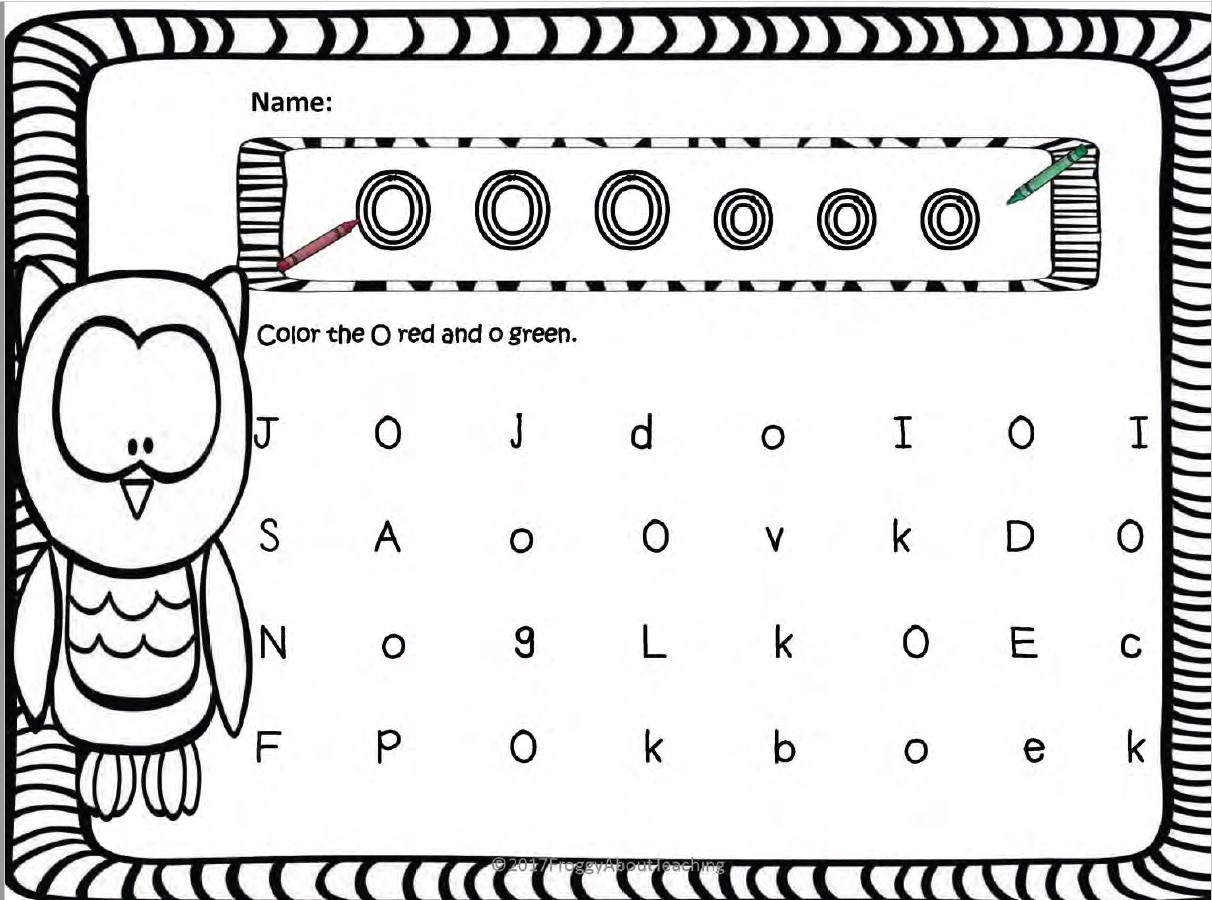
Now, in Kindergarten, they discriminate a letter from a group of letters. The ability to do this is a basic foundation of reading.
 |
| Amped Up Learning |
 |
| Teachers Pay Teachers |
 Froggy About Teaching
Leave a comment