
Early Childhood Literacy
The New England Primer was the first textbook that was used to teach children to read in the American Colonies. The reading instruction included teaching the alphabet, consonants, and vowels.
Now let’s skip ahead and look at more recent times. In 2002, The National Early Literacy Panel was created to look at the scientific research conducted on early literacy skills in children ages 0-5.
A key finding was made that strong “reading and writing skills that are developed in the years from birth to age 5 have a clear and consistently strong relationship with later conventional literacy skills.”
Factors That Strengthen Later Literacy
The NELP concluded that 7 factors strengthen later literacy regardless of certain conditions such as IQ or SES.
• alphabet knowledge
• rapid automatic naming (RAN) of letters or digits
• RAN of objects or colors
• writing or writing name
If you are interested in reading the results of this study go to:
DEVELOPING EARLY LITERACY: REPORT OF THE NATIONAL EARLY LITERACY PANEL
Let’s begin by addressing Alphabet Knowledge.
Alphabet Knowledge
Alphabet Knowledge is the knowledge of individual letters, sounds, and letter shapes. It is knowing each
letter in conventional print has an uppercase and lowercase.
Letter recognition and discrimination
- knowing letter names
- knowing letter shapes
- connecting letter sounds to the individual letters
- knowing that letters and sounds form written words
We can definitely see how essential these skills are to the early part of learning to read.
These are skills that are taught in PreKinder and in Kindergarten. PreKinder is not a required grade level so not every child comes to Kindergarten with that experience. Kindergarten is not a full day in every district so some children have limited exposure to these skills.
So, when these little ones come to us in PreK, in Kindergarten, and even in first grade we don’t know how much of this they have had. This creates an urgent need to provide direct instruction and to give many varied opportunities to master these literacy skills.
Teaching Resource
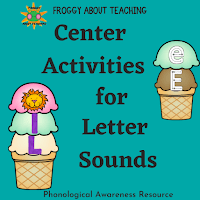
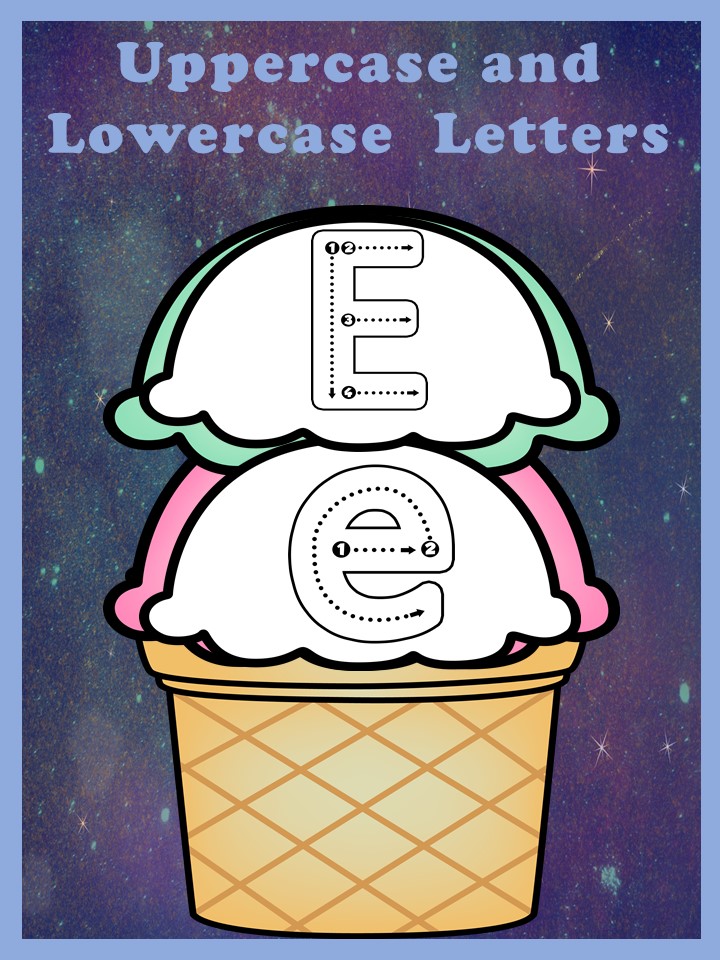
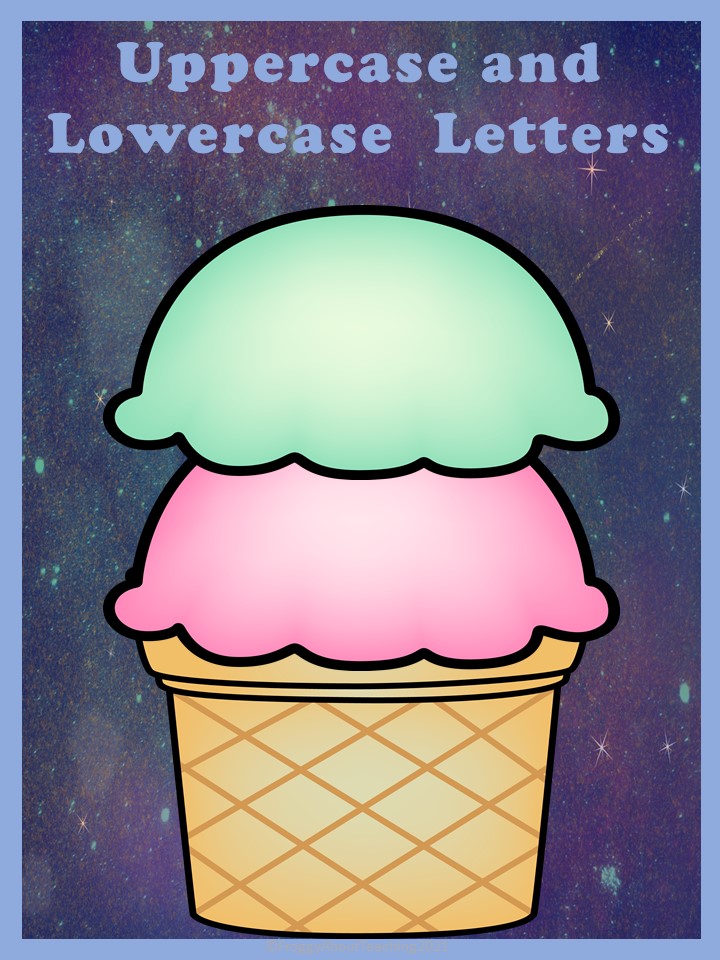
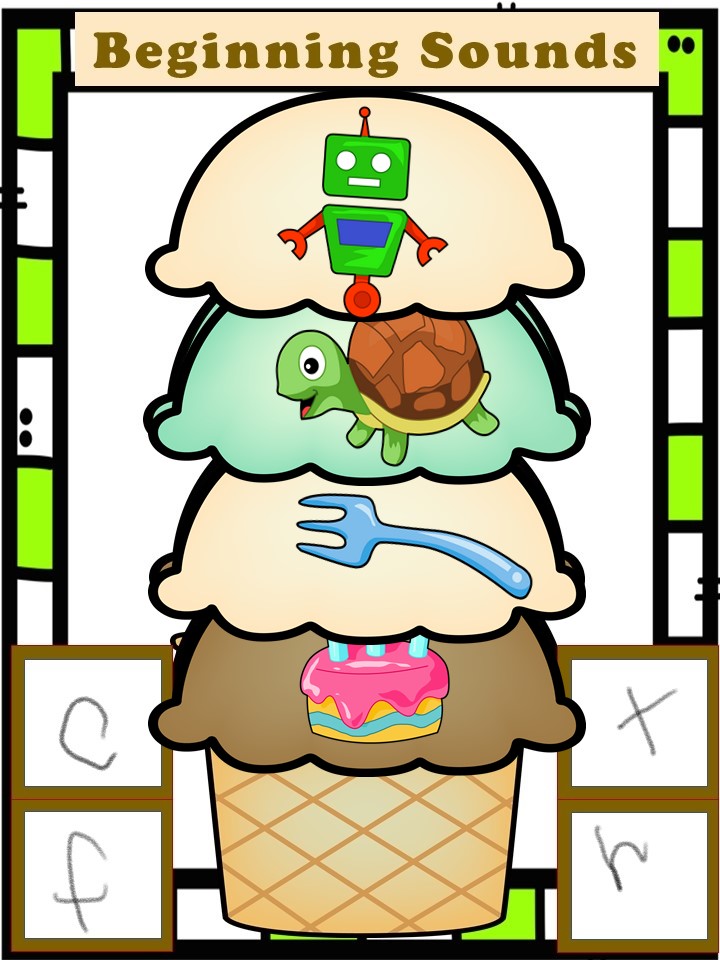
This packet is a way you can help your students become masters of letter formation, letter recognition of uppercase and lowercase letters, and making the connections between letters and sounds. They will get to practice letter formation by tracing letters. They will match the beginning sound of a picture to either lowercase letters or uppercase letters. This resource uses an approach that is appealing to students of building ice cream cones with scoops of letters and pictures.
|

This is a fun literacy center that will give your students hands-on practice with the recognition of letters and sounds! What better fun can they get than these ice cream-themed activities. This is a phonological resource that will help students to make connections between letter recognition and letter sounds.
This packet contains 3 sets of activities. This will allow you to differentiate for your students with these activities.
Letter Trace for each uppercase and lowercase letter.
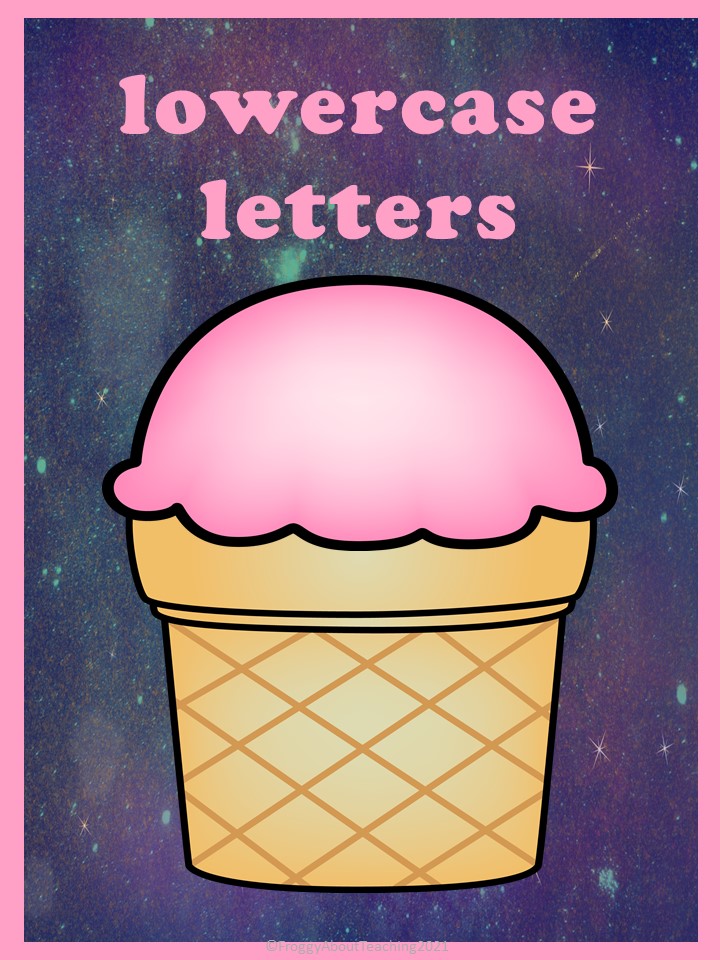 |
| Uppercase Mat |
Print on cardstock and laminate.
Place velcro on the scoop.
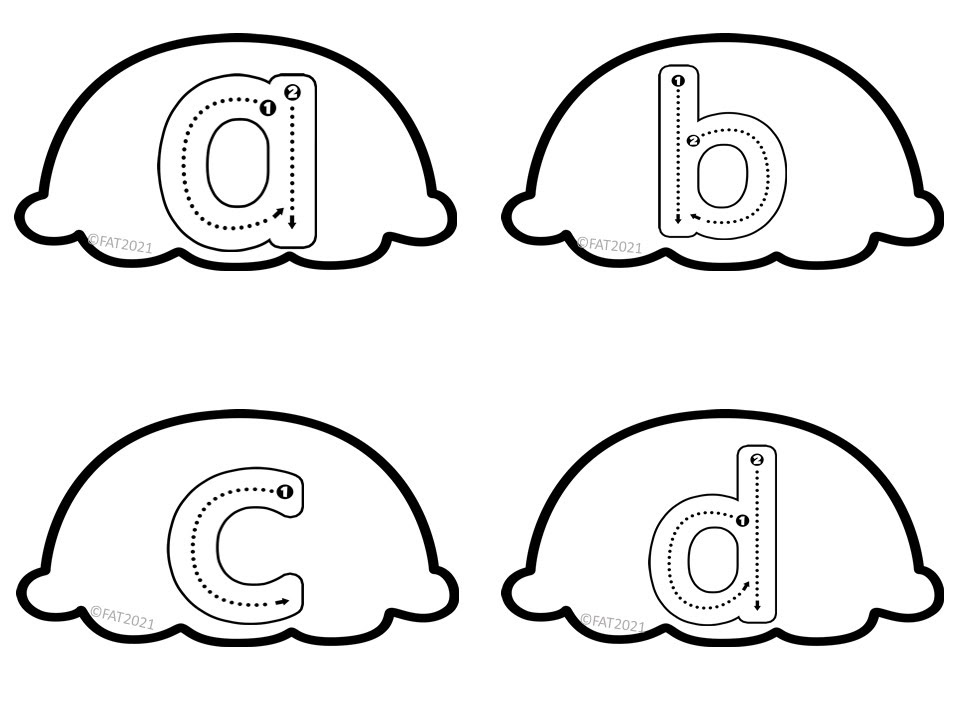
Print on cardstock and laminate. Cut out scoops and velcro on the back.
 Letter Match for lowercase-uppercase letters; lowercase-picture, uppercase-picture; lowercase-uppercase-picture match.
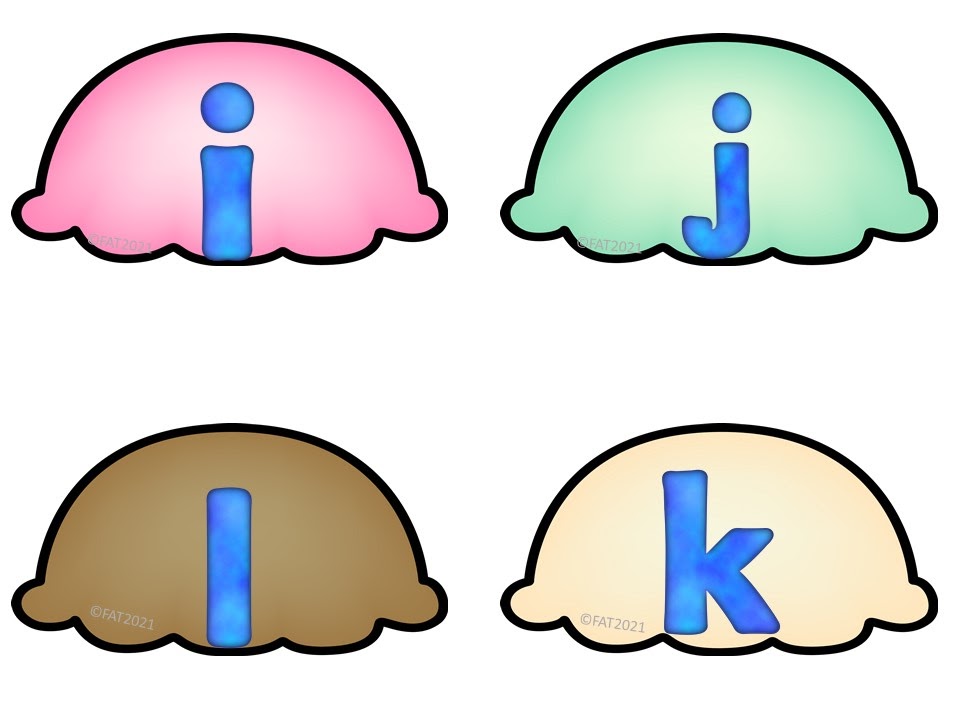
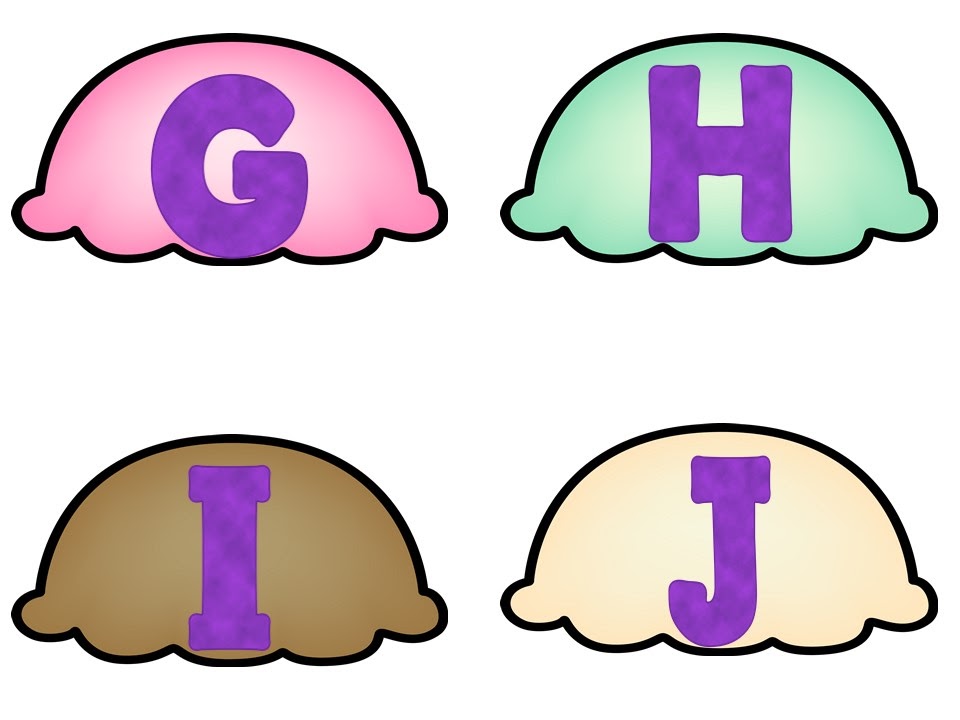
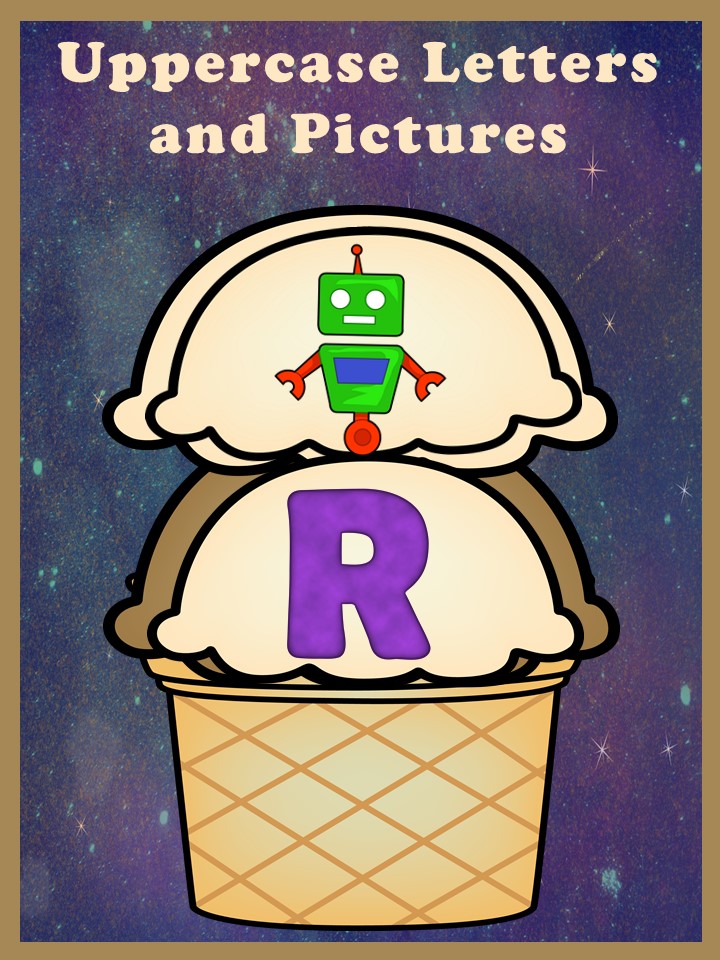
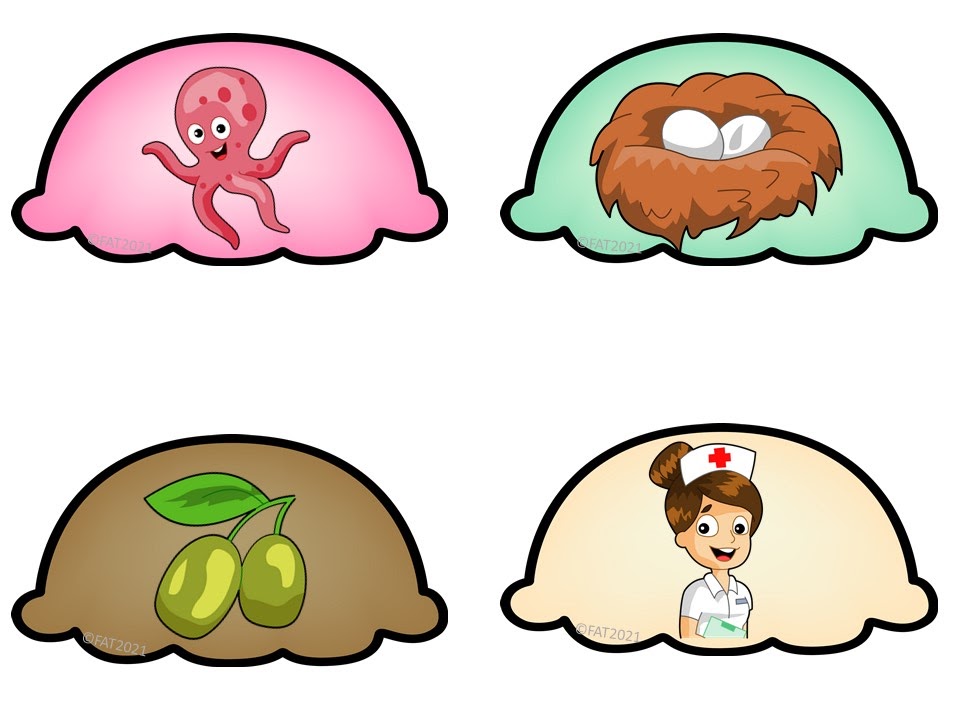
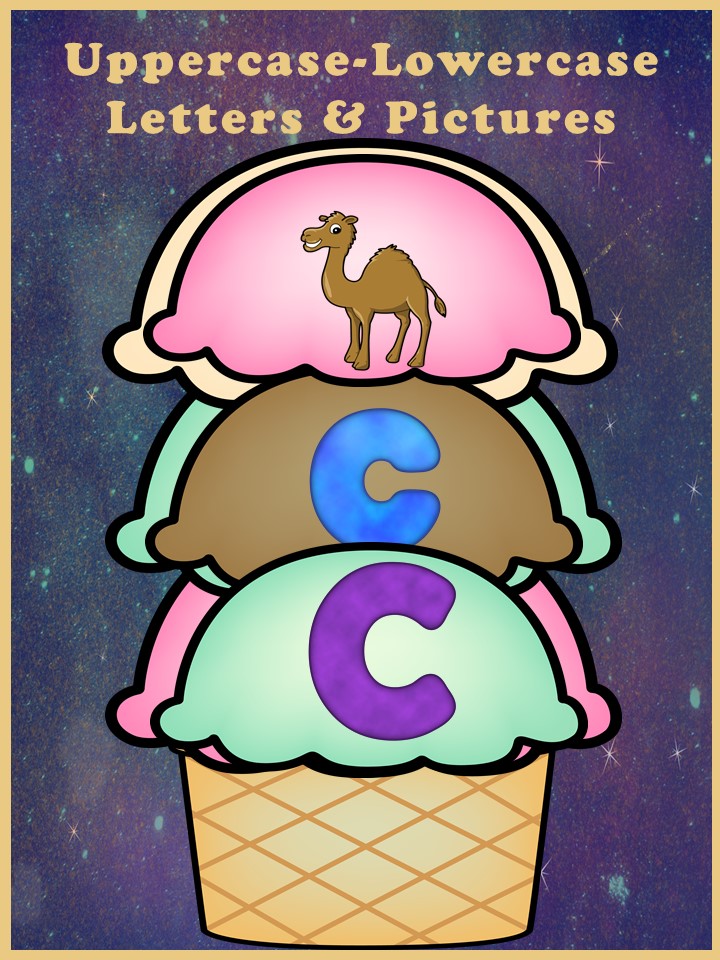
The Choices Mats are for your more advanced students who are ready for independent work. There are letter strips that can be used if your students need some structure.
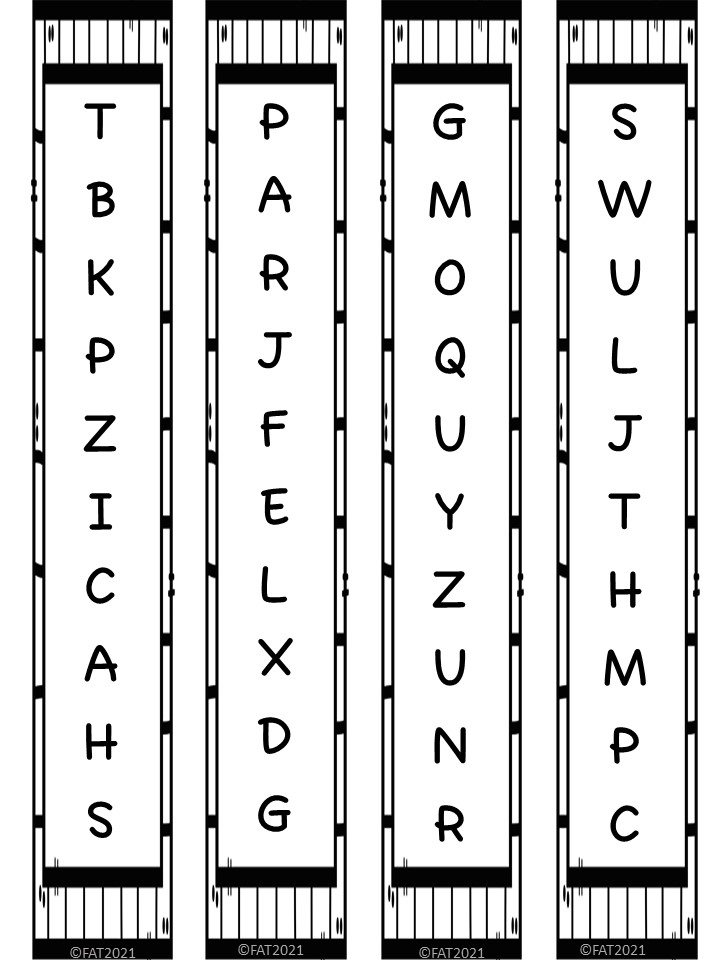
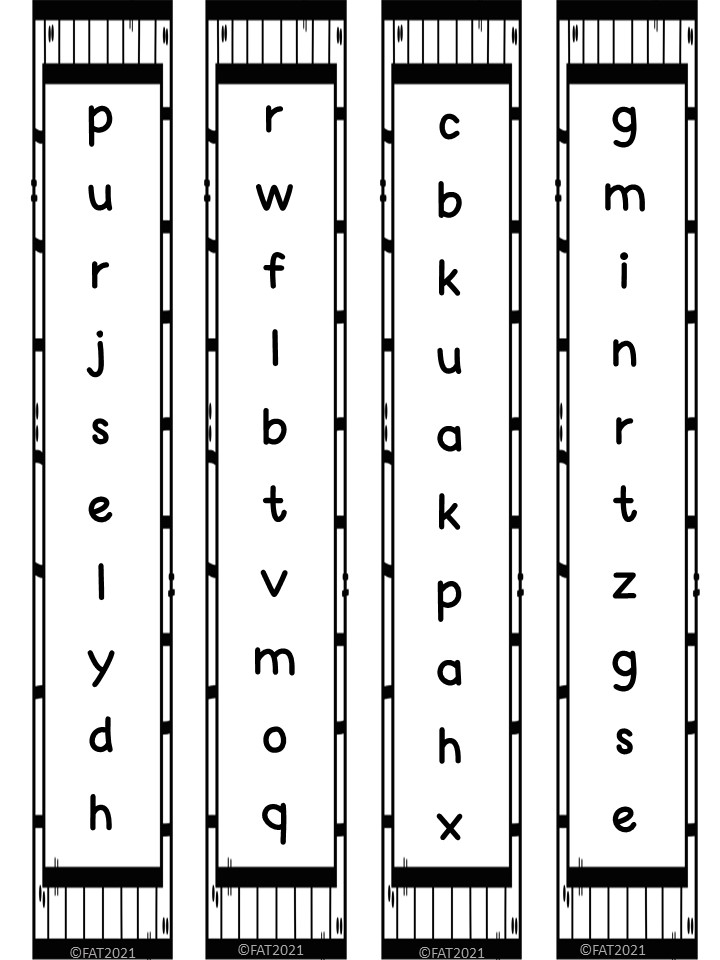
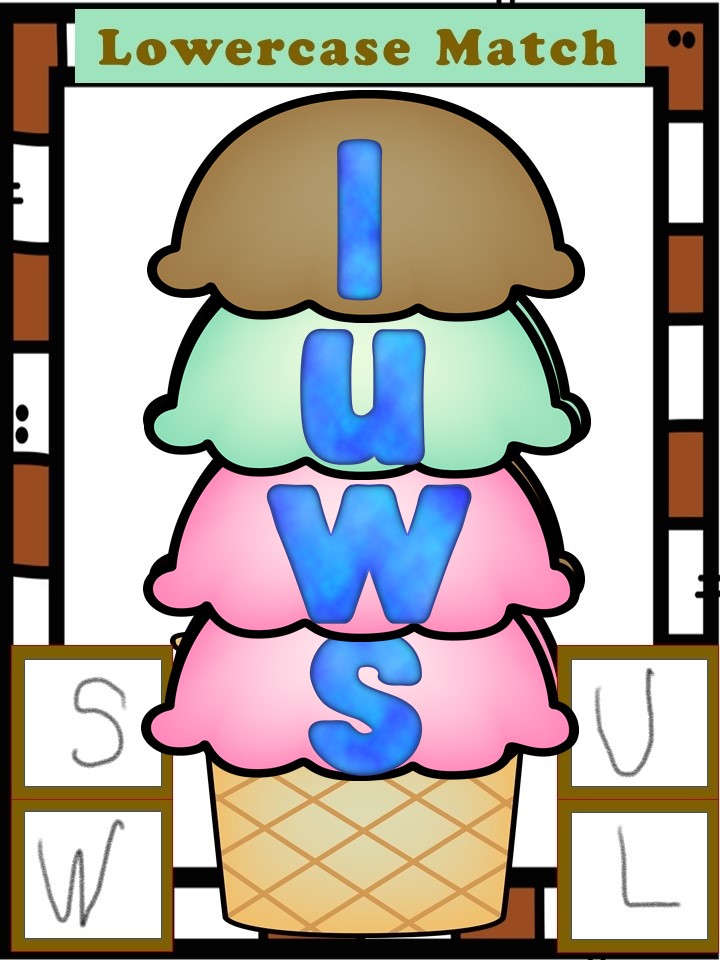
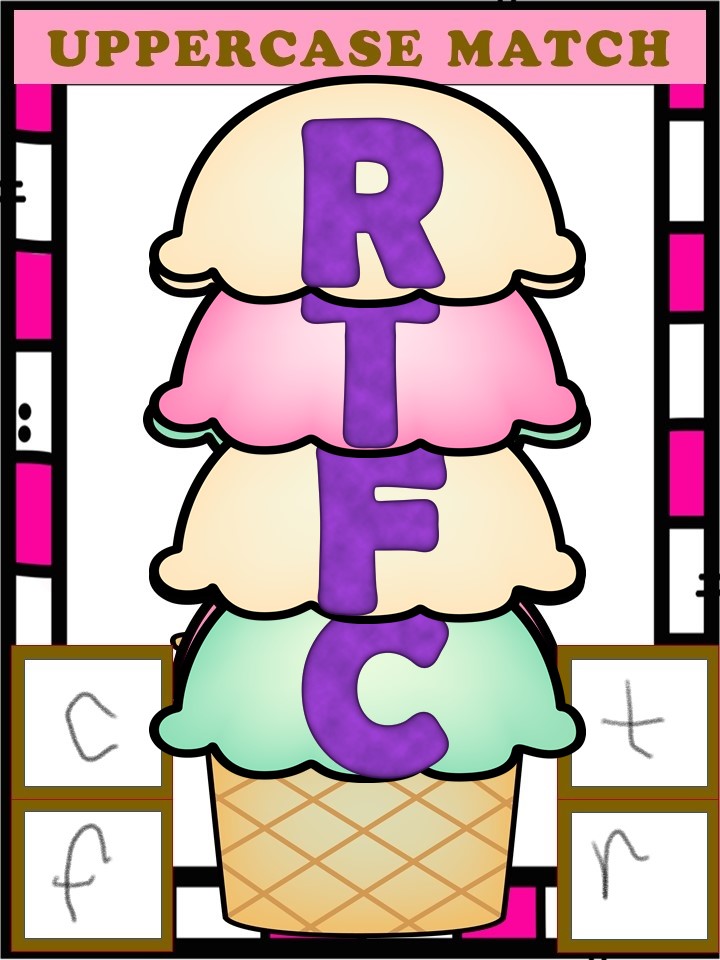
These activities were made with the research in mind. To help our students gain mastery of the alphabet knowledge skills.
Teacher friends, I retired from the classroom a couple of years ago. However, I continue my career by putting my focus on creating resources that will help you meet the needs of your students.
Debbie – Froggy About Teaching on Amped Up Learning
Froggy About Teaching on Teachers Pay Teachers
 Froggy About Teaching
Leave a comment